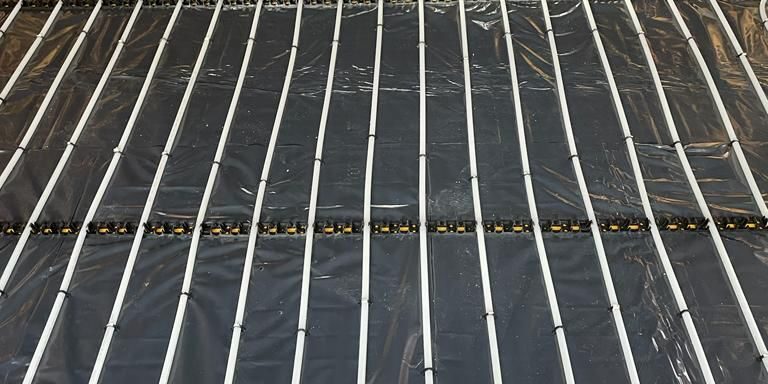
Underfloor heating is a popular choice for passive house projects, thanks to its energy efficiency and ability to maintain consistent indoor temperatures. Contractors play an essential role in ensuring these systems align with the stringent energy performance criteria required for passive homes.
Passive houses are designed to minimise energy consumption, relying heavily on airtight construction and high-performance insulation. Contractors assess these elements during the planning phase to design a heating system that works in harmony with the property’s energy-efficient features. This often involves careful calculations to determine the minimal heating load required to maintain comfort.


Hydronic systems are frequently recommended for passive houses due to their low operating temperatures and compatibility with renewable energy sources like heat pumps. Contractors work to integrate these systems seamlessly, ensuring that the underfloor heating delivers steady warmth while consuming minimal energy.
Zoning systems are another key feature contractors often incorporate. By dividing the property into separate heating zones, they allow homeowners to control temperatures room by room, further reducing energy waste. Smart thermostats enhance this functionality, enabling precise adjustments based on occupancy or time of day.
Testing and commissioning are critical steps in passive house projects. Contractors rigorously evaluate the system to ensure it meets the property’s energy performance targets. They also provide documentation and guidance to homeowners on maintaining the system’s efficiency.
By collaborating with architects and builders, underfloor heating contractors ensure that their systems enhance the comfort and sustainability of passive homes, meeting both regulatory standards and homeowner expectations.