
Underfloor heating installation is a significant investment, and understanding the factors that influence its cost can help you plan your budget more effectively. Contractors consider multiple elements when preparing quotes, and knowing these can demystify the process.
One major cost driver is the type of system you choose. Electric underfloor heating systems are often cheaper to install than hydronic (water-based) systems because they require less labour and no complex plumbing. However, hydronic systems can be more cost-effective over time due to their lower operating costs.

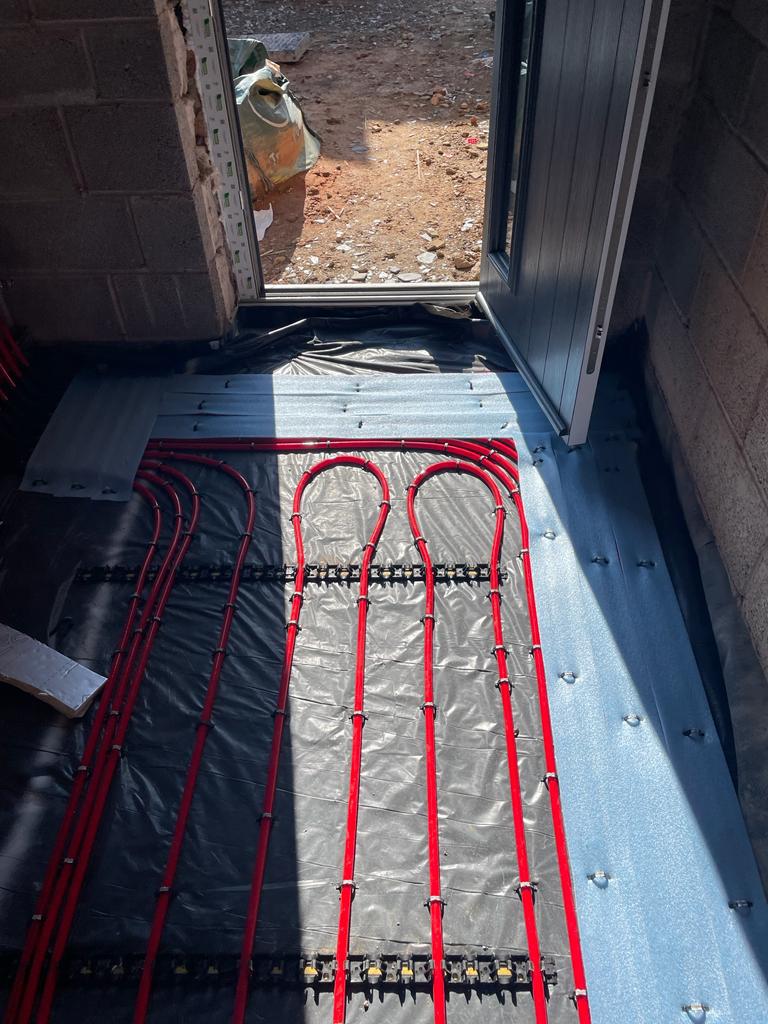
The size of the area being heated also plays a significant role. Larger spaces require more materials and labour, which increases the overall cost. Additionally, the complexity of the layout can impact pricing. For example, irregularly shaped rooms or properties with multiple zones may require extra planning and installation effort.
Floor preparation is another consideration. If your subfloor needs levelling or additional insulation, this will add to the cost. Contractors often recommend high-quality insulation to enhance efficiency, which may increase the initial expense but saves money in the long run by reducing energy consumption.
Finally, the quality of materials and components affects pricing. Opting for premium heating elements and advanced thermostats may cost more upfront but offer better performance and durability.
By discussing these factors with your contractor, you can gain a clearer understanding of the costs involved and ensure your investment aligns with your heating needs and budget.