Electric vs Water Underfloor Heating: Pros, Cons & Costs

One of the first decisions when planning underfloor heating is choosing between electric (dry) and water (wet) systems. Each has strengths and ideal use cases—but choosing the wrong one can cost you in the long run.
Here’s a breakdown to help you make the right choice for your property, budget, and lifestyle.
How They Work
Electric (Dry):
- Uses heating cables or mats under the floor
- Connects to your mains electricity
- Controlled by a digital thermostat
Water (Wet):
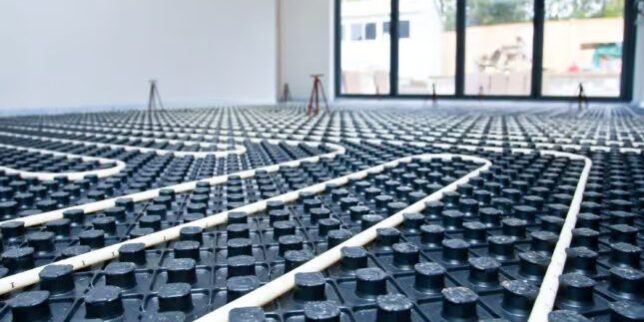
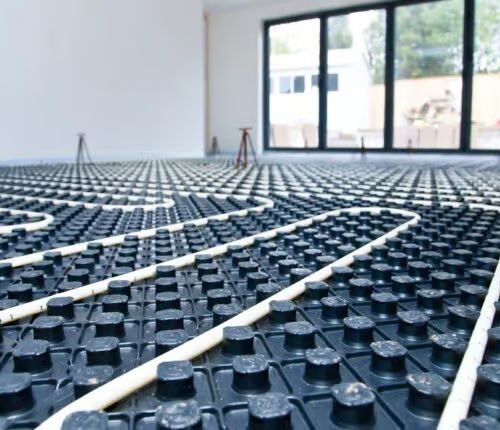
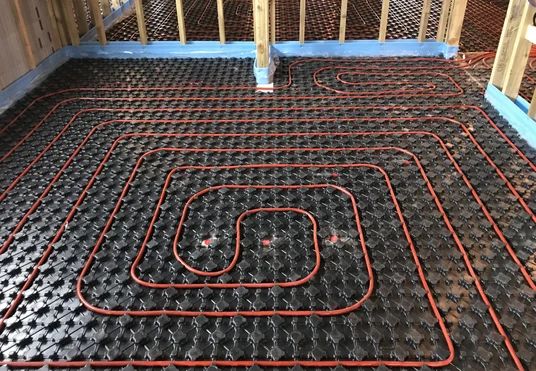
- Uses a network of pipes carrying warm water
- Powered by a boiler or heat pump
- Controlled via manifold and thermostats
Installation Cost Comparison
| System | Cost per m² | Ideal Use Case |
| Electric | £50–£75 | Small rooms or retrofits |
| Water | £80–£120 | New builds or full renovations |
Running Costs Comparison
- Electric: Higher running costs (15–20p/hr/m²)
- Water: Cheaper to run long-term, especially with renewables
Pros and Cons
| System | Pros | Cons |
| Electric | Easy to install, fast heat-up | High running cost, not ideal for large areas |
| Water | Energy-efficient, lower bills | Higher upfront cost, complex install |
FAQs
Q: Can I use electric UFH in a large room?
A: Yes, but the cost may be high. Water is more efficient for large or open-plan spaces.
Q: Is electric UFH better for upstairs?
A: Usually yes—it’s lighter, thinner, and easier to install on suspended floors.
Still undecided?
The experts at Interior Screed Ltd can advise on the best underfloor heating system for your property—balancing comfort, cost, and performance.