
Underfloor heating systems are increasingly popular in sustainable building projects due to their energy efficiency and compatibility with renewable energy sources. Contractors play a pivotal role in ensuring these systems contribute effectively to a property’s overall sustainability goals.
During the planning phase, contractors assess the property’s insulation, layout, and energy requirements. They often recommend upgrading insulation as part of the project, as this reduces heat loss and maximises the efficiency of the underfloor heating system. By minimising energy waste, these measures align with sustainable building practices.

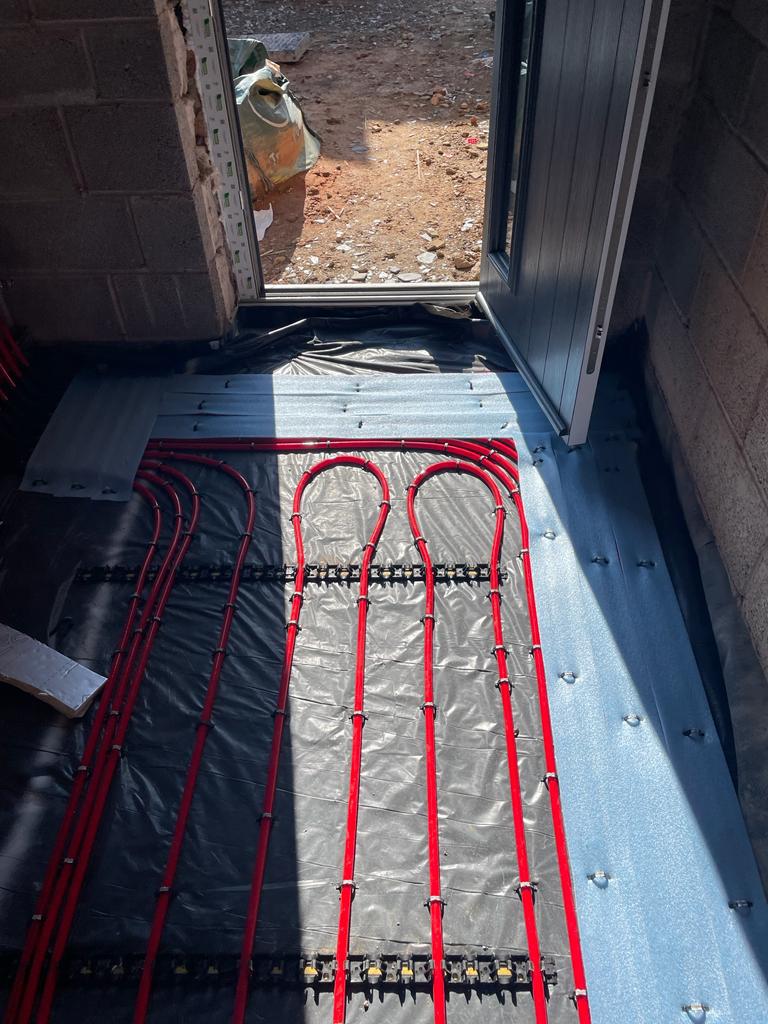
Contractors also help integrate the system with renewable energy sources. For example, hydronic underfloor heating can be paired with ground or air source heat pumps, while electric systems can draw power from solar panels. These combinations significantly reduce a building’s reliance on fossil fuels, lowering its carbon footprint.
Zoning systems are another area where contractors contribute to sustainability. By dividing the property into separate heating zones, they enable homeowners to heat only the areas in use, reducing overall energy consumption. Advanced thermostats further enhance efficiency by allowing precise control over temperature settings.
Finally, contractors ensure the system complies with environmental regulations and building codes. Their expertise guarantees that the installation not only meets current standards but is also future-proofed against evolving sustainability requirements.
By working with experienced underfloor heating contractors, homeowners and developers can incorporate energy-efficient solutions into their projects, contributing to a greener, more sustainable future.